The Trump Effect on Education: Educating or Babysitting?

The Trump Effect on Education: Educating or Babysitting?

The election of Donald Trump—twice a monumental, controversial shift in American politics—had a major impact on nearly every institution in the country, but none as close to home as education. Trump-era policies and polarizing rhetoric didn’t just stay in the political sphere; they seeped into schools, affecting both what we teach and how we teach it. Education has become a battleground, with increasing regulations dictating what teachers can and cannot discuss in the classroom. But in our quest to create “safe” environments, are we educating kids, or simply babysitting them? Are we instilling critical thinking, or just keeping them comfortable?


The Censorship Debate: Protecting Kids or Protecting Comfort?

Laws and mandates that prohibit the teaching of so-called "divisive" topics are one of the key legacies of this era. As debates continue on whether children should be exposed to certain social or historical subjects, the Trump administration’s stance on free speech played a role in sparking restrictive state mandates on education. This has created an environment where teachers are constantly on edge, worried that a single lesson could cost them their jobs if it makes a student—or, more often, a parent—uncomfortable.

It’s worth asking: what is the true purpose of education? Is it to nurture informed, critically thinking individuals or to create an echo chamber that reflects a simplified, neutralized view of the world? Education should be more than rote memorization of comfortable facts; it should involve challenging ideas, debates, and—yes—sometimes even discomfort. But in the name of protecting “comfort,” many school boards and politicians have stepped into the classroom to regulate, and even sanitize, what can be discussed. Rather than teaching students how to engage with uncomfortable truths and diverse viewpoints, we are creating an environment where discomfort is avoided at all costs.


Indoctrination vs. Education: Where’s the Line?

This all begs the question: when do we cross from teaching students into indoctrinating them? And who gets to decide what is indoctrination versus education?

Critics of certain educational policies argue that many traditional and long-standing aspects of the curriculum have implicitly promoted a particular worldview, one that aligns with historical narratives and sociopolitical values held by those in power. On the flip side, some argue that topics like critical race theory or gender identity amount to indoctrination. Both sides claim the other is “brainwashing” kids rather than educating them. But in truth, real education is neither passive nor one-sided. It should involve presenting multiple perspectives, encouraging debate, and teaching students to assess information critically.

So, is it really indoctrination to teach the uncomfortable parts of history, like systemic racism or civil rights abuses? Is it “brainwashing” to acknowledge the diversity of American identity and culture? By labeling everything we disagree with as indoctrination, we shut down the possibility of true education.


The Fine Line: Educating Without Babysitting

It’s clear that many parents and politicians want schools to be places that reflect their personal values and shield children from what they consider "inappropriate" or "disturbing." But we must recognize that in the real world, ideas and experiences that challenge us are inevitable. Schools should prepare students for this—not by making them comfortable, but by equipping them to navigate the uncomfortable, to think critically and grapple with complex realities, and develop empathy for perspectives beyond their own.

Right now, the debate is not just about Trump or any political figure; it's about our approach to education itself. Are we creating spaces where kids learn to think, or are we trying to create idealized bubbles that insulate them from any idea that might contradict their family’s worldview? Are we fostering resilience and open-mindedness, or simply coddling?

In the wake of Trump’s election, it became more apparent than ever that our education system is struggling to define its role in a deeply polarized society. The challenge is to educate, not indoctrinate; to discuss, not dictate; and, most importantly, to teach kids to question, to think, and to engage with the world they’ll one day lead. We owe it to the next generation to stop babysitting them and to start educating them—even if that makes some people uncomfortable.

Other News and Announcements

Ravi is currently available for both in-person and virtual online keynotes.  Click here to learn more about both of these (and see his video specifically on Virtual Keynotes).

https://raviunites.com/keynotes

A number of school districts have inquired about online convocations.  If you are interested in having Ravi deliver your 2025 or 2026 school convocation keynote, please send us a message through our contact page, https://raviunties.com/contact/.

Ravi Unites Schools Update

If you or your organization would like to learn more about becoming a strategic partner of Ravi Unites Schools, please send an email to connect@raviunitesschools.com.  Meanwhile, we will still be setting up interactions as we are able.

Cultivating Cultural Capital in Schools: A Pathway to Holistic Education

Cultivating Cultural Capital in Schools: A Pathway to Holistic Education


In the ongoing conversation about education, the focus often centers on equipping students with the skills to secure economic and social capital. However, an equally crucial, yet frequently overlooked, aspect is the development of cultural capital. Schools play a pivotal role in this regard, acting as environments where cultural capital can be nurtured, thus preparing students not only for professional success but also for meaningful social engagement and personal fulfillment.

What is Cultural Capital?

Cultural capital encompasses the non-financial social assets that enable social mobility beyond economic means. These assets include knowledge, skills, education, and any advantages a person has which give them a higher status in society, such as style of speech, dress, or physical appearance. Pierre Bourdieu, a French sociologist, introduced this concept to highlight how cultural knowledge and competencies can influence social inequality.

The Importance of Cultural Capital

1. Enhanced Academic Achievement: Cultural capital contributes significantly to academic success. Students who possess a rich vocabulary, cultural references, and intellectual curiosity tend to excel in academic settings. They are better prepared to understand and engage with the curriculum, leading to higher educational attainment.

2. **Professional and Social Integration**: Cultural capital enables individuals to navigate professional and social environments with ease. Understanding social norms, possessing effective communication skills, and being familiar with cultural references can make a significant difference in career progression and social interactions.

3. Personal Growth and Fulfillment: Beyond professional and social benefits, cultural capital enriches personal lives. It fosters a love for learning, critical thinking, and an appreciation for diverse cultures and perspectives, leading to more well-rounded individuals.

How Schools Can Teach Cultural Capital

1. Curriculum Design: Incorporating a diverse and rich curriculum that goes beyond basic literacy and numeracy is crucial. Subjects like literature, history, arts, and music expose students to various cultural artifacts and ideas, helping them build a broad knowledge base and cultural awareness.

2. Extracurricular Activities: Schools should offer a variety of extracurricular activities, such as drama clubs, debate teams, music lessons, and art classes. These activities provide students with opportunities to develop their talents, learn new skills, and gain confidence in expressing themselves.

3. Inclusive Education: Promoting an inclusive environment where diverse cultural backgrounds are recognized and celebrated can help students appreciate different perspectives and foster mutual respect. This can be achieved through multicultural events, inclusive teaching practices, and diverse classroom materials.

4. Critical Thinking and Discussion: Encouraging critical thinking and open discussions about current events, societal issues, and cultural differences helps students develop analytical skills and cultural awareness. This practice can be integrated into various subjects to make learning more engaging and relevant.

5. Mentorship and Role Models: Connecting students with mentors and role models from various fields can inspire them and provide practical insights into how cultural capital is utilized in different professions and social contexts. Guest lectures, career talks, and mentoring programs can be valuable in this regard.

6. Community Engagement: Schools should foster connections with the community, including local cultural institutions, libraries, museums, and theaters. Field trips, community service projects, and partnerships with cultural organizations can provide students with firsthand experiences of cultural capital in action.

Why Cultural Capital Matters More

While economic and social capital are important, they often depend on the presence of cultural capital to be fully effective. Economic capital can provide access to educational resources, and social capital can open doors to opportunities, but without cultural capital, students may struggle to leverage these advantages fully.

Economic Capital:
Money can buy books, technology, and access to elite institutions, but it cannot instill a love for learning, intellectual curiosity, or cultural literacy. These are nurtured through sustained exposure to diverse cultural experiences and intellectual engagement.

Social Capital:
Networks and relationships can provide opportunities, but without cultural capital, students may lack the social skills and cultural awareness needed to make the most of these connections. Cultural capital equips students with the ability to navigate different social contexts effectively.

Conclusion

Investing in cultural capital within schools is not just an educational imperative but a societal one. By fostering cultural capital, schools can produce well-rounded individuals who are prepared to contribute meaningfully to society. They will be equipped with the knowledge, skills, and confidence to navigate the complexities of the modern world, ensuring that they thrive not only economically but also socially and personally. As educators and policymakers, we must prioritize the cultivation of cultural capital to build a more inclusive, dynamic, and equitable future.

Other News and Announcements

Ravi is currently available for both in-person and virtual online keynotes.  Click here to learn more about both of these (and see his video specifically on Virtual Keynotes).

https://raviunites.com/keynotes

A number of school districts have inquired about online convocations.  If you are interested in having Ravi deliver your 2024 or 2025 school convocation keynote, please send us a message through our contact page, https://raviunties.com/contact/.

Ravi Unites Schools Update

If you or your organization would like to learn more about becoming a strategic partner of Ravi Unites Schools, please send an email to connect@raviunitesschools.com.  Meanwhile, we will still be setting up interactions as we are able.

Embracing Lifelong Learning: Navigating an Unpredictable Future

Embracing Lifelong Learning: Navigating an Unpredictable Future


In a rapidly evolving world, where technological advancements, economic shifts, and global challenges constantly reshape the landscape, the concept of a stable, predictable future has become increasingly elusive. In such a dynamic environment, traditional notions of education and skill acquisition are being challenged. While specific skills and knowledge are undoubtedly valuable, there's one overarching skill that reigns supreme: lifelong learning.

Lifelong learning goes beyond the confines of formal education. It's about cultivating a mindset of curiosity, adaptability, and continuous growth that transcends age, occupation, and circumstances. In essence, it's the ability to learn, unlearn, and relearn throughout one's life—a skill that is indispensable in navigating the uncertainties of the future.

In today's educational landscape, there's a growing recognition that schools should prioritize teaching students how to learn over the mere transmission of information. Here's why:

1. Adaptability In A Changing World: 

The world is changing at an unprecedented pace, with new technologies emerging, industries evolving, and job roles transforming. In such a fluid environment, the ability to quickly acquire new skills and knowledge is paramount. By fostering a culture of lifelong learning, schools empower students to adapt to whatever challenges and opportunities come their way.

2. Critical Thinking and Problem-Solving:

Lifelong learning isn't just about memorizing facts; it's about developing critical thinking skills and the ability to solve complex problems. In a future where automation and AI are reshaping the workforce, uniquely human abilities such as creativity, innovation, and problem-solving will become increasingly valuable. Schools that prioritize teaching students how to think critically and approach problems creatively are equipping them with the tools they need to thrive in any field.

3. Resilience in the Face of Adversity: 

Life is full of unexpected twists and turns, from personal setbacks to global crises. Lifelong learners possess the resilience to bounce back from failures, adapt to setbacks, and turn challenges into opportunities for growth. By instilling resilience in students, schools prepare them to navigate the inevitable ups and downs of life with courage and perseverance.

4. Empowerment and Self-Direction:

Lifelong learning empowers individuals to take control of their own learning journey. In an era of information abundance, where knowledge is readily accessible at the click of a button, the ability to self-direct one's learning is more important than ever. Schools that cultivate self-directed learners equip students with the skills they need to become lifelong seekers of knowledge and fulfillment.


Conclusion:

While specific skills and knowledge will always have their place in education, the overarching skill of lifelong learning is the key to unlocking success and fulfillment in an unpredictable future. By prioritizing teaching students how to learn, schools prepare them not only for the challenges of today but also for the opportunities of tomorrow. As we embrace the ethos of lifelong learning, we empower ourselves and future generations to thrive in an ever-changing world.


Other News and Announcements

Ravi is currently available for both in-person and virtual online keynotes.  Click here to learn more about both of these (and see his video specifically on Virtual Keynotes).

https://raviunites.com/keynotes

A number of school districts have inquired about online convocations.  If you are interested in having Ravi deliver your 2024 or 2025 school convocation keynote, please send us a message through our contact page, https://raviunties.com/contact/.

Ravi Unites Schools Update

If you or your organization would like to learn more about becoming a strategic partner of Ravi Unites Schools, please send an email to connect@raviunitesschools.com.  Meanwhile, we will still be setting up interactions as we are able.

Breaking the Cycle: Addressing Melatonin-Red Bull Dependency, and Supporting Student Health

Breaking the Cycle: Addressing Melatonin-Red Bull Dependency, and Supporting Student Health


In the dynamic landscape of education, students face a myriad of challenges, from academic pressures to social expectations. To cope with the demands of their busy lives, some students turn to substances like melatonin supplements and energy drinks such as Red Bull. However, reliance on these substances can lead to dependency and have adverse effects on students' health and well-being. As educators and parents, it's crucial to recognize the signs of dependency and take proactive steps to support students in breaking free from this cycle.


Understanding Dependency

Dependency on substances like melatonin and Red Bull can develop gradually, often without students realizing the extent of their reliance. Melatonin supplements may be used to regulate sleep patterns, while Red Bull provides a quick energy boost to combat fatigue. However, over time, students may become dependent on these substances to function effectively and consequentially train their bodies to produce less of these substances naturally, leading to a vicious cycle of dependence and withdrawal.


Recognizing the Signs

Teachers and parents can play a pivotal role in recognizing the signs of dependency among students. These may include:

- Increased consumption of melatonin supplements or energy drinks.

- Difficulty functioning without these substances.

- Withdrawal symptoms such as headaches, irritability, and fatigue when attempting to cut back.

- Neglect of responsibilities and decline in academic performance.


Supporting Students

Once dependency is identified, it's essential to provide students with the support they need to break free from the cycle. Teachers and parents can:

  1. Encourage Healthy Coping Mechanisms: Encourage students to explore healthy coping mechanisms for managing stress and fatigue, such as exercise, mindfulness, and relaxation techniques.
  1. Promote Balanced Lifestyles: Emphasize the importance of maintaining a balanced lifestyle, including regular exercise, nutritious diet, and adequate sleep, to support overall well-being.
  1. Provide Emotional Support: Create a safe and supportive environment where students feel comfortable discussing their struggles and seeking help. Offer emotional support and connect students with resources such as counseling services if needed.
  1. Set Boundaries: Establish clear boundaries around the use of melatonin supplements and energy drinks, both at home and in the classroom. Educate students about the potential risks and consequences of excessive consumption.
  1. Lead by Example: Model healthy behaviors yourself by prioritizing self-care and managing stress effectively. Demonstrate the importance of balance and moderation in all aspects of life.


Conclusion

Breaking free from dependency on substances like melatonin supplements and Red Bull is a challenging journey, but with the support of teachers and parents, students can overcome this obstacle and reclaim their health and well-being. By recognizing the signs of dependency, providing support and resources, and promoting healthy coping mechanisms, educators and guardians can empower students to break free from the cycle of dependency and thrive both academically and personally. Together, we can create a supportive environment where students feel empowered to make positive choices for their health and future.

Other News and Announcements

Ravi is currently available for both in-person and virtual online keynotes.  Click here to learn more about both of these (and see his video specifically on Virtual Keynotes).

https://raviunites.com/keynotes

A number of school districts have inquired about online convocations.  If you are interested in having Ravi deliver your 2024 or 2025 school convocation keynote, please send us a message through our contact page, https://raviunties.com/contact/.

Ravi Unites Schools Update

If you or your organization would like to learn more about becoming a strategic partner of Ravi Unites Schools, please send an email to connect@raviunitesschools.com.  Meanwhile, we will still be setting up interactions as we are able.

The Attack on DEI in Education: A Detriment to Today’s Students

The Attack on DEI in Education: A Detriment to Today's Students


In recent years, there has been a concerning trend of attacks on Diversity, Equity, and Inclusion (DEI) initiatives in education. These attacks often stem from misunderstandings, political agendas, or resistance to change. However, what is often overlooked are the detrimental effects these attacks have on today's school students.


The Fuel Behind the Attack:

1. Fear of Change:

One of the primary reasons for the attack on DEI in education is the fear of change. Some individuals, communities, or organizations may resist DEI initiatives because they challenge the status quo and traditional power structures. Change can be uncomfortable, especially for those who benefit from existing inequalities. As a result, they may push back against efforts to promote diversity, equity, and inclusion in schools.

2. Misunderstandings and Misconceptions:

Another factor contributing to the attack on DEI is misunderstandings and misconceptions about what DEI entails. DEI initiatives are often misrepresented as efforts to prioritize certain groups over others or to promote "political correctness." In reality, DEI aims to create environments where all students feel valued, respected, and supported regardless of their background or identity. However, these misconceptions can fuel opposition to DEI efforts in schools.

3. Political Agenda:

In some cases, the attack on DEI in education may be driven by political agendas. Certain politicians or interest groups may weaponize DEI initiatives for political gain or to rally their base. This politicization of DEI can lead to polarization and division within communities, making it harder to implement meaningful change in schools.


The Harm to Today's Students:

1. Exclusion and Marginalization:

When DEI initiatives are undermined or dismantled, students from marginalized backgrounds are the ones who suffer the most. Without DEI efforts, these students may feel excluded, invisible, or unwelcome in their own schools. This can have serious consequences for their mental health, academic performance, and sense of belonging.

2. Missed Learning Opportunities:

DEI initiatives play a crucial role in preparing students for the diverse and interconnected world they will encounter beyond school. By attacking DEI, students are denied valuable learning opportunities to develop cultural competence, empathy, and critical thinking skills. In a globalized society, these skills are essential for success in college, career, and civic life.

3. Perpetuation of Inequality:

Perhaps most concerning is that the attack on DEI perpetuates existing inequalities in education. By resisting efforts to address systemic barriers and inequities, we allow these disparities to persist and deepen. This not only harms individual students but also undermines the promise of equal opportunity and social mobility.


In conclusion, the attack on DEI in education is a harmful trend that must be addressed. By understanding the root causes of this opposition and its impact on today's students, we can work towards creating more inclusive and equitable learning environments for all. It is imperative that we stand firm in our commitment to DEI and advocate for its importance in shaping the future of education.


Other News and Announcements

Ravi is currently available for both in-person and virtual online keynotes.  Click here to learn more about both of these (and see his video specifically on Virtual Keynotes).

https://raviunites.com/keynotes

A number of school districts have inquired about online convocations.  If you are interested in having Ravi deliver your 2024 or 2025 school convocation keynote, please send us a message through our contact page, https://raviunties.com/contact/.

Ravi Unites Schools Update

If you or your organization would like to learn more about becoming a strategic partner of Ravi Unites Schools, please send an email to connect@raviunitesschools.com.  Meanwhile, we will still be setting up interactions as we are able.

Nurturing Cultural Competence: A Blueprint for Elementary and Secondary Education

Nurturing Cultural Competence: A Blueprint for Elementary and Secondary Education


In an increasingly diverse world, fostering cultural competence in elementary and secondary education is not just desirable; it is essential. This is especially true when many students are being robbed of this valuable education due to the politically charged pushback against anything that hints at diversity, equity, and inclusion. Teaching students to appreciate and understand diverse cultures lays the foundation for a more inclusive and harmonious society.

Here are some strategies to integrate cultural competence into public schools at the elementary and secondary levels.


Elementary School:

1. Inclusive Curriculum: Develop and implement a curriculum that reflects the diversity of cultures. Incorporate literature, history, and social studies lessons that highlight contributions from various ethnicities and backgrounds.

2. Celebration of Cultural Festivals:Organize events and activities that celebrate cultural festivals throughout the school year. This provides students with hands-on experiences and exposure to different traditions, fostering a sense of respect and curiosity.

3. Multilingual Support: Introduce basic language lessons or multilingual materials to expose students to different languages. This not only promotes linguistic diversity but also encourages an appreciation for various communication styles.

4. Guest Speakers and Cultural Ambassadors: Invite guest speakers from different cultural backgrounds to share their experiences with students. This direct interaction can provide valuable insights and break down stereotypes.


Secondary School:

1. Diverse Literature and Global Perspectives: Expand the reading list to include literature from around the world, covering a range of perspectives and cultural contexts. This can stimulate critical thinking and empathy among students.

2. Global Exchange Programs: Establish exchange programs with schools in other countries or regions. Immersive experiences allow students to gain firsthand knowledge of different cultures, fostering open-mindedness and understanding.

3. Cultural Competence Workshops: Conduct workshops that focus on cultural competence, emphasizing the importance of empathy, tolerance, and open communication. These sessions can be integrated into existing courses or offered as standalone programs.

4. Service-Learning Projects: Encourage students to engage in service-learning projects that involve collaboration with diverse communities. This hands-on approach not only promotes cultural competence but also instills a sense of social responsibility.


Conclusion:

Cultural competence is a lifelong skill that begins to take root in the formative years of education. By weaving diverse perspectives into the fabric of elementary and secondary education, we can nurture students who are not only academically proficient but also culturally sensitive.

As educators, administrators, and parents collaborate, the journey toward creating a more inclusive educational environment becomes a collective responsibility, ensuring that our schools become true hubs of cultural understanding and appreciation.

Other News and Announcements

Ravi is currently available for both in-person and virtual online keynotes.  Click here to learn more about both of these (and see his video specifically on Virtual Keynotes).

https://raviunites.com/keynotes

A number of school districts have inquired about online convocations.  If you are interested in having Ravi deliver your 2024 or 2025 school convocation keynote, please send us a message through our contact page, https://raviunties.com/contact/.

Ravi Unites Schools Update

If you or your organization would like to learn more about becoming a strategic partner of Ravi Unites Schools, please send an email to connect@raviunitesschools.com.  Meanwhile, we will still be setting up interactions as we are able.

The Stressful Side of Standardized Testing: Limited Real-World Benefits

The Stressful Side of Standardized Testing: Limited Real-World Benefits


Standardized testing has long been a cornerstone of education systems worldwide, aiming to evaluate and compare students' academic achievements on a standardized scale. However, as the years have passed, a growing body of evidence suggests that these tests impose undue stress on students while providing limited real-world benefits.

The Stress Quotient:

One of the primary criticisms of standardized testing is the heightened stress levels it induces in students. The pressure to perform well on a single exam can lead to anxiety, sleep disturbances, and even more severe mental health issues. This stress is often counterproductive, hindering a student's ability to showcase their true potential.

One-Size-Fits-All Approach:

Standardized tests typically follow a one-size-fits-all model, attempting to measure the diverse abilities, talents, and learning styles of a heterogeneous student population with a uniform set of questions. This approach neglects the fact that students excel in various ways and may not perform optimally in a standardized testing environment. Consequently, the results may not accurately reflect a student's true capabilities.

Limited Real-World Application:

Critics argue that standardized tests fall short in preparing students for real-world challenges. The ability to memorize facts and regurgitate information may be useful in some scenarios, but it does not necessarily equate to practical skills or critical thinking—the very skills demanded in the ever-evolving professional landscape.

Narrow Focus on Academic Achievement:

Standardized testing tends to narrow the educational focus, emphasizing a student's ability to excel in a specific set of subjects. This hyperfocus on academic achievement overlooks essential life skills such as creativity, problem-solving, and effective communication—skills crucial for success in the real world.

Inequality and Bias:

Standardized testing has also been criticized for perpetuating educational inequality. Students from different socioeconomic backgrounds may not have equal access to test preparation resources, placing some at a disadvantage. Additionally, these tests may exhibit cultural and gender biases, further perpetuating systemic disparities in educational outcomes.

Exploring Alternatives:

As the drawbacks of standardized testing become more evident, there is a growing call for alternative assessment methods. Project-based assessments, portfolios, and a holistic evaluation of a student's academic journey are being proposed as more effective ways to gauge a student's abilities and potential without the associated stress.

Conclusion:

While standardized testing has been a longstanding tradition in education, its limitations and adverse effects on students are increasingly difficult to ignore. The real-world benefits of such tests are questionable, especially when considering the toll they take on students' mental health and the narrow focus on academic achievement. It might be time for educators and policymakers to reconsider the role of standardized testing in shaping the future of education.

Other News and Announcements

Ravi is currently available for both in-person and virtual online keynotes.  Click here to learn more about both of these (and see his video specifically on Virtual Keynotes).

https://raviunites.com/keynotes

A number of school districts have inquired about online convocations.  If you are interested in having Ravi deliver your 2024 or 2025 school convocation keynote, please send us a message through our contact page, https://raviunties.com/contact/.

Ravi Unites Schools Update

If you or your organization would like to learn more about becoming a strategic partner of Ravi Unites Schools, please send an email to connect@raviunitesschools.com.  Meanwhile, we will still be setting up interactions as we are able.
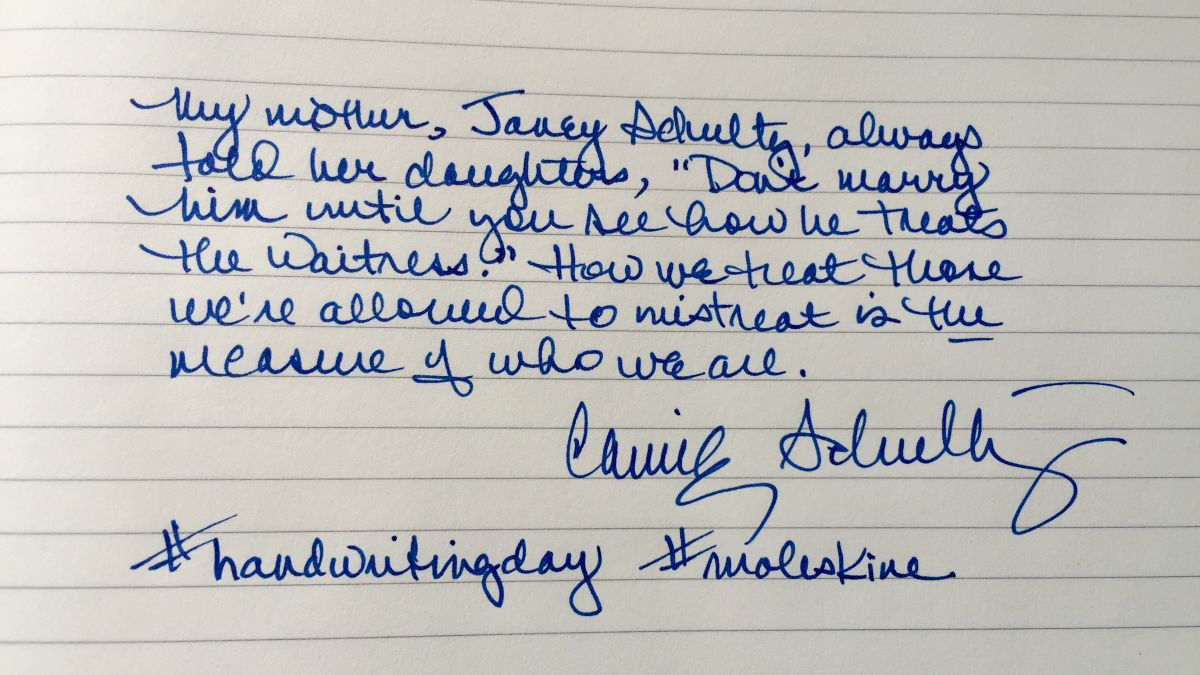
The Importance of Handwriting in Schools: Unraveling Thoughts and Unveiling Implicit Bias

The Importance of Handwriting in Schools: Unraveling Thoughts and Unveiling Implicit Bias


National Handwriting Day celebrates penmanship | CNN


In our increasingly digital age, the art of handwriting seems to be fading into obscurity. Keyboards and touchscreens have become our primary tools for communication, relegating pen and paper to a bygone era. However, the significance of teaching handwriting in schools goes beyond the mere act of putting pen to paper – it plays a crucial role in slowing down our thinking, fostering self-awareness, and unraveling implicit biases.

Cognitive Engagement and Memory Enhancement

The physical act of writing engages multiple regions of the brain, promoting cognitive development and enhancing memory. Research suggests that the intricate hand movements involved in forming letters stimulate neural pathways associated with learning and retention. By actively participating in the formation of words, students are more likely to internalize information, leading to improved understanding and recall.

Slowing Down Thought Processes

Handwriting forces individuals to slow down their thought processes. Unlike the rapid typing on a keyboard, which can lead to hasty and impulsive responses, the deliberate nature of handwriting encourages contemplation. This deliberate pace allows students to organize their thoughts, consider alternative perspectives, and develop a more nuanced understanding of the subject matter.

Enhanced Self-Awareness

The tactile connection between hand and paper fosters a unique form of self-awareness. As students put pen to paper, they are confronted with the physical manifestation of their thoughts. This tangible representation allows for reflection and introspection, helping students recognize patterns, inconsistencies, and biases in their own thinking.

Unveiling Implicit Bias

Implicit biases are subconscious attitudes or stereotypes that influence our perceptions and actions. Handwriting, with its unhurried tempo, provides a medium for individuals to unravel and confront these biases. When students take the time to carefully express their thoughts, they may become more attuned to underlying prejudices, allowing for conscious examination and, ultimately, personal growth.

Fostering Individuality and Creativity

Each person's handwriting is unique, reflecting their individuality and personality. Embracing and celebrating this diversity in the classroom encourages a sense of uniqueness and creativity. Handwriting becomes a personal expression, fostering a connection between the individual and their thoughts, helping to shape their identity.


In conclusion, the art of handwriting holds a multifaceted value in education. Beyond the practicalities of note-taking, it serves as a powerful tool for cognitive engagement, self-awareness, and the unveiling of implicit biases. By incorporating handwriting into the curriculum, schools can nurture thoughtful, reflective individuals who are better equipped to navigate the complexities of the modern world.

Other News and Announcements

Ravi is currently available for both in-person and virtual online keynotes.  Click here to learn more about both of these (and see his video specifically on Virtual Keynotes).

https://raviunites.com/keynotes

A number of school districts have inquired about online convocations.  If you are interested in having Ravi deliver your 2024 or 2025 school convocation keynote, please send us a message through our contact page, https://raviunties.com/contact/.

Ravi Unites Schools Update

If you or your organization would like to learn more about becoming a strategic partner of Ravi Unites Schools, please send an email to connect@raviunitesschools.com.  Meanwhile, we will still be setting up interactions as we are able.
The Impact of School Vouchers on Public Education Funding and Social Disparity

The Impact of School Vouchers on Public Education Funding and Social Disparity

Texas House digging in heels for school voucher fight | The Texas Tribune


In recent years, the debate surrounding school vouchers has gained momentum, with proponents arguing for increased educational choice and opponents expressing concerns about the potential negative impact on public education. One of the key criticisms is the assertion that school vouchers can lead to the defunding of public education, exacerbating existing disparities in society.

The Concept of School Vouchers

School vouchers are essentially government-funded scholarships that allow students to attend private or parochial schools using public funding. While proponents argue that this promotes educational choice and competition, critics emphasize the potential consequences for public education.

Defunding Public Education

One of the primary concerns raised by opponents is that the implementation of school vouchers can divert crucial financial resources away from public schools. As students opt for private alternatives, public schools may experience a decrease in enrollment, resulting in reduced funding. This decline in funding can lead to a variety of challenges, including larger class sizes, reduced extracurricular activities, and limited resources for teachers and staff.

Widening Educational Disparities

The consequences of diverting funds from public education are particularly concerning when viewed through the lens of societal inequality. Public schools often serve as a vital equalizer, offering educational opportunities to students from diverse socio-economic backgrounds. When public schools face financial strain due to the implementation of school voucher programs, the quality of education they provide may suffer, disproportionately affecting students who cannot afford private alternatives.

Impact on Marginalized Communities

Marginalized communities, which often rely heavily on public education, can be disproportionately affected by the defunding caused by school vouchers. When public schools in these areas experience resource shortages, students may face increased barriers to academic success. This perpetuates a cycle of disadvantage, hindering social mobility and reinforcing existing disparities in society.

The Need for Equitable Education

To address concerns surrounding the potential negative impact of school vouchers, proponents argue for policies that ensure equitable distribution of educational resources. This includes measures to mitigate the potential defunding of public education and to prioritize the needs of marginalized communities.


While the debate on school vouchers continues, it is essential to consider the potential consequences for public education funding and societal disparities. Striking a balance between promoting educational choice and ensuring equitable access to quality education for all students remains a critical challenge. As we navigate these discussions, it is crucial to prioritize policies that enhance, rather than undermine, the foundational role of public education in fostering a more just and equal society.

Other News and Announcements

Ravi is currently available for both in-person and virtual online keynotes.  Click here to learn more about both of these (and see his video specifically on Virtual Keynotes).

https://raviunites.com/keynotes

A number of school districts have inquired about online convocations.  If you are interested in having Ravi deliver your 2024 or 2025 school convocation keynote, please send us a message through our contact page, https://raviunties.com/contact/.

Ravi Unites Schools Update

If you or your organization would like to learn more about becoming a strategic partner of Ravi Unites Schools, please send an email to connect@raviunitesschools.com.  Meanwhile, we will still be setting up interactions as we are able.

The College Readiness Challenge for High School Graduates Amid the Pandemic

The College Readiness Challenge for High School Graduates Amid the Pandemic

As high school graduates of 2023/2024 toss their caps into the air, they carry more than just the weight of academic achievement; they bear the scars of an unconventional high school journey marked by the unprecedented challenges of the COVID-19 pandemic. This unique cohort, who entered high school amidst the chaos, finds themselves facing a distinct set of hurdles as they transition to the collegiate chapter of their lives.

Disrupted Learning Environments

The sudden shift to remote and hybrid learning during the pandemic disrupted the typical high school classroom experience. Students faced challenges in adapting to virtual formats, missing out on the interactive and collaborative aspects of traditional learning. This shift may leave them less prepared for the more independent and self-directed nature of college studies.

Limited Socialization Opportunities

High school is a time of social growth, developing interpersonal skills, and forming lasting connections. For those who began high school during the pandemic, socialization opportunities were limited. The absence of in-person classes, extracurricular activities, and social events hindered the development of crucial social skills that are integral to navigating the college environment.

Technology Disparities

The digital divide became more apparent during the pandemic, with disparities in access to technology and a reliable internet connection. Students lacking access to essential tools for remote learning may face challenges in adapting to the technology-driven landscape of college academics, where digital literacy is often a prerequisite.

Mental Health Toll

The mental health impact of the pandemic cannot be overstated. The uncertainty, isolation, and stress of the past few years have taken a toll on the emotional well-being of many students. Mental health challenges can impede focus, concentration, and the ability to cope with the increased academic demands of college life.

Interrupted College Preparations

Traditional college preparation processes, such as standardized testing, college visits, and guidance counseling, were disrupted during the pandemic. The absence of these crucial steps can leave graduates feeling less equipped to make informed decisions about college selection, applications, and understanding the expectations of higher education.

Inconsistent Educational Standards

Educational systems across regions implemented diverse approaches to cope with the challenges of the pandemic. This led to inconsistencies in educational standards and curricula, making it difficult to ensure a standardized level of preparation for college. Graduates from different areas may find themselves facing varying levels of academic readiness.

Adaptation to New Learning Styles

College demands a shift in learning styles, emphasizing independent research, critical thinking, and effective time management. Students who experienced a more structured high school environment during the pandemic may struggle to adapt to the autonomy and flexibility required in college studies.

Conclusion

While the challenges faced by high school graduates who entered high school during the pandemic are substantial, it's important to recognize their resilience and adaptability. Colleges and universities play a crucial role in understanding and addressing the unique needs of this cohort. By providing targeted support services, bridging educational gaps, and fostering a supportive environment, institutions can empower these graduates to successfully navigate the uncharted waters of college life and emerge stronger on the other side.


Other News and Announcements

Ravi is currently available for both in-person and virtual online keynotes.  Click here to learn more about both of these (and see his video specifically on Virtual Keynotes).

https://raviunites.com/keynotes

A number of school districts have inquired about online convocations.  If you are interested in having Ravi deliver your 2024 or 2025 school convocation keynote, please send us a message through our contact page, https://raviunties.com/contact/.

Ravi Unites Schools Update

If you or your organization would like to learn more about becoming a strategic partner of Ravi Unites Schools, please send an email to connect@raviunitesschools.com.  Meanwhile, we will still be setting up interactions as we are able.